
Why the 2026 OPTIQ's NACS Port Is a Win for Electric Vehicle Buyers
January 23 2026,
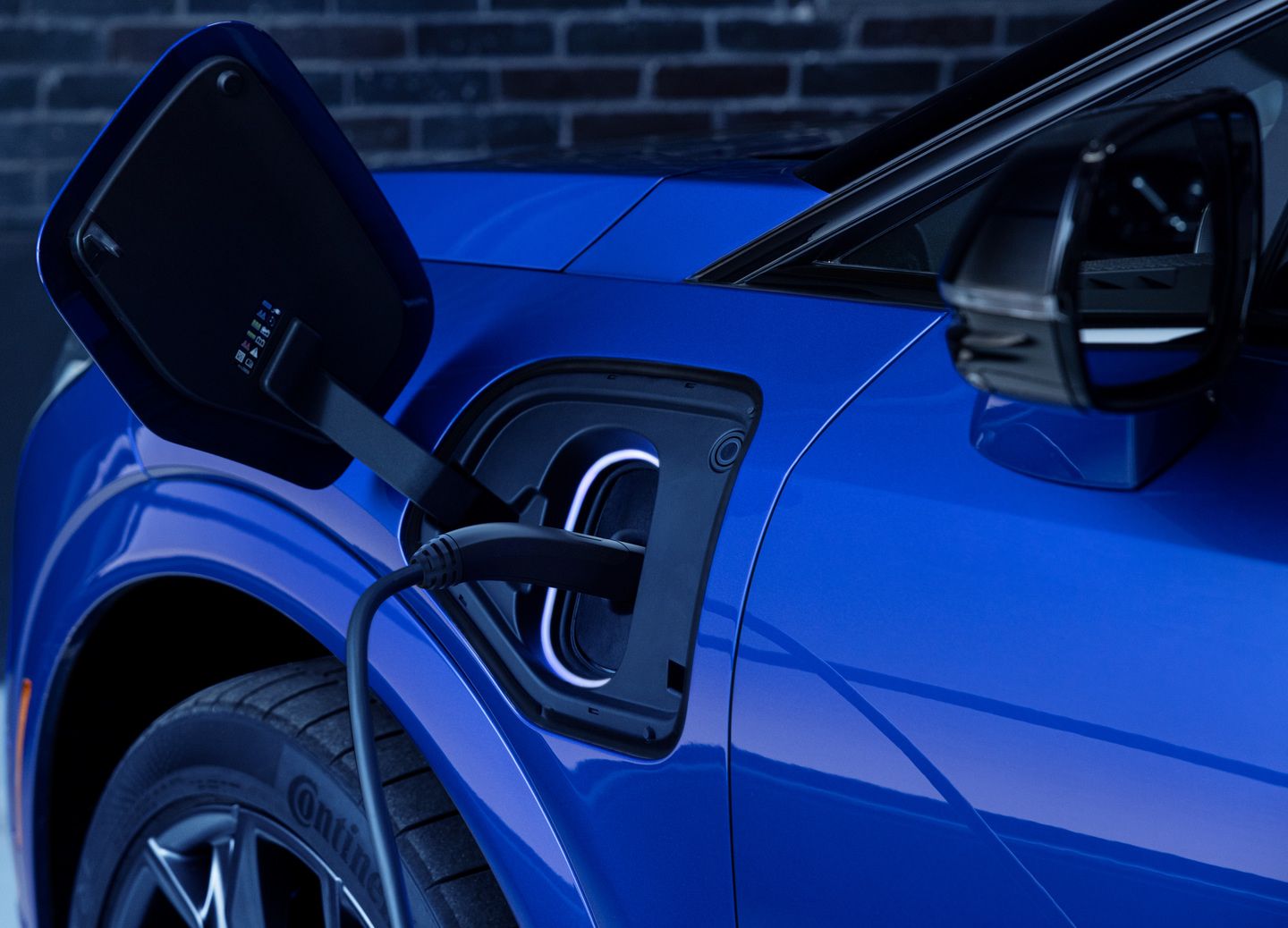
The electric vehicle landscape is evolving rapidly. One of the most important developments for 2026 is the widespread adoption of the North American Charging Standard (NACS). The 2026 Cadillac OPTIQ stands at the forefront of this shift as General Motors' first vehicle to feature a built-in NACS port.
This integration is a fundamental improvement to the electric vehicle ownership experience. It addresses one of the most common concerns among prospective EV buyers: charging accessibility.
For drivers considering the transition to electric luxury, understanding what NACS means and why it matters can help clarify the real-world benefits of choosing a vehicle equipped with this technology. The OPTIQ's native NACS port eliminates the need for adapters and opens direct access to North America's most extensive fast-charging network, simplifying the ownership experience from day one.
Understanding the North American Charging Standard
The North American Charging Standard emerged as a solution to the fragmentation that has historically characterized electric vehicle charging infrastructure. Prior to NACS, EV owners often needed to navigate multiple charging networks, each with different connector types and membership requirements. This created unnecessary complexity and limited charging options, particularly during long-distance travel.
NACS addresses these challenges by providing a unified charging connector that works across a vast network of fast chargers. The 2026 OPTIQ's integration of a native NACS inlet means drivers gain direct access to more than 21,500 DC fast chargers across North America. This is the largest and most reliable fast-charging network available, dramatically expanding charging convenience compared to previous standards.
The technical advantages of NACS extend beyond network size. The connector itself is more compact and easier to handle than earlier designs, making the physical act of charging more convenient. The standardization also means improved reliability, as the technology has been proven across millions of charging sessions.
How NACS Benefits OPTIQ Owners
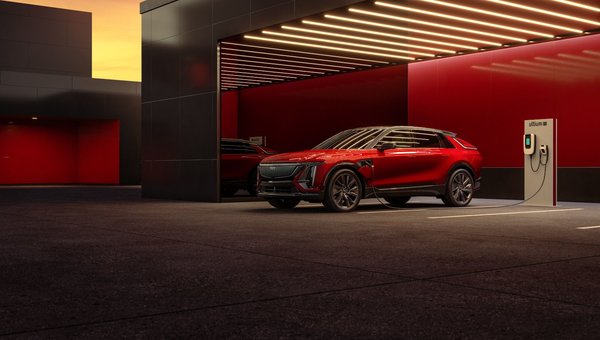
The practical advantages of the OPTIQ's native NACS port become clear in everyday driving scenarios. When planning a road trip across Quebec or travelling between provinces, OPTIQ drivers can confidently rely on widespread fast-charging availability. The vehicle's navigation system integrates with charging networks, automatically routing drivers to compatible stations and providing real-time availability information.
Charging speed is another key benefit. The OPTIQ's DC fast-charging capability can add up to 112 kilometres of range in approximately 10 minutes when using a minimum 150 kW DC fast charger. This native NACS integration ensures optimal charging performance without the power loss or compatibility issues that can occur with adapter-based solutions.
The convenience factor extends to payment and account management. With a native NACS port, OPTIQ owners experience streamlined authentication and billing processes at compatible charging stations. Many networks support plug-and-charge functionality, where the vehicle automatically communicates with the charger to initiate and bill the session without requiring additional apps or RFID cards.
OPTIQ's Complete Charging Ecosystem
While NACS fast charging provides excellent convenience for longer trips, the OPTIQ offers a comprehensive charging solution that covers all driving scenarios. At home, the vehicle comes standard with a Dual-Level Charge Cord that allows owners to plug into either a standard three-pronged outlet or a professionally installed four-pronged appliance-style outlet.
For faster home charging, the OPTIQ supports onboard AC charging at 11.5 kW on Luxury and Sport trims, or 19.2 kW on Premium Luxury and Premium Sport trims. The higher-capacity 19.2 kW onboard charger is also available on other trims, including the V-Series. This flexibility allows owners to choose the charging speed that best matches their daily driving patterns and home electrical infrastructure.
The vehicle's 85 kWh battery pack provides substantial range between charges. The 2026 OPTIQ RWD configuration offers up to 510 kilometres of range, while the AWD variants provide 488 kilometres. Even the performance-focused OPTIQ-V delivers 447 kilometres of range, ensuring that most daily driving can be completed without requiring public charging infrastructure.
The Engineering Behind the Integration

John Cockburn, OPTIQ Chief Engineer, emphasized the importance of this milestone: "Integrating the native NACS port into our vehicle architecture is an important step forward, reflecting our leadership in engineering and providing our customers with more charging options."
This integration required careful engineering to ensure the NACS port works smoothly with the OPTIQ's Ultium Platform architecture. The vehicle's battery management system, power electronics, and thermal management all work together to optimize charging performance while protecting battery longevity.
The OPTIQ also maintains compatibility with legacy charging infrastructure through available adapters. GM offers CCS1 DC adapters and J1772 AC adapters, ensuring owners can access virtually any charging station they encounter. This backward compatibility provides peace of mind during the transition period as charging infrastructure continues to evolve.
Comparing Charging Standards and Access
NACS vs. Legacy Standards
|
Feature |
NACS (2026 OPTIQ) |
CCS1 (Previous Standard) |
|
Fast Charger Access |
21,500+ stations across North America |
Limited to non-NACS networks |
|
Connector Design |
Compact, lightweight, easy to handle |
Larger, heavier connector |
|
Adapter Required |
No (native integration) |
Yes (for NACS network access) |
|
Plug-and-Charge Support |
Widely supported |
Limited availability |
The table illustrates the fundamental advantages of native NACS integration. While adapter-based solutions exist for accessing NACS chargers from vehicles with other connector types, the OPTIQ's built-in port eliminates this extra step and ensures optimal charging performance.
Real-World Charging Scenarios
Consider a typical weekend trip from southern Quebec to the Laurentians. An OPTIQ driver can depart with a full charge (providing up to 510 kilometres of range on RWD models), easily covering the round trip without charging. However, if the journey extends to Mont-Tremblant and includes winter driving conditions that reduce range, the driver can quickly top up at any compatible NACS fast charger along the route.
For daily commuting, most OPTIQ owners will charge primarily at home overnight. The vehicle's range comfortably exceeds typical daily driving distances, meaning public charging becomes an occasional convenience rather than a regular necessity. This pattern reduces the total cost of ownership compared to gasoline vehicles, as home electricity rates are generally far lower than fuel costs.
The NACS network's reliability also provides confidence during unexpected situations. If a driver needs to make an unplanned longer trip or forgets to charge overnight, the widespread availability of fast chargers means they can quickly add range when needed.
OPTIQ's Position in the Luxury EV Market
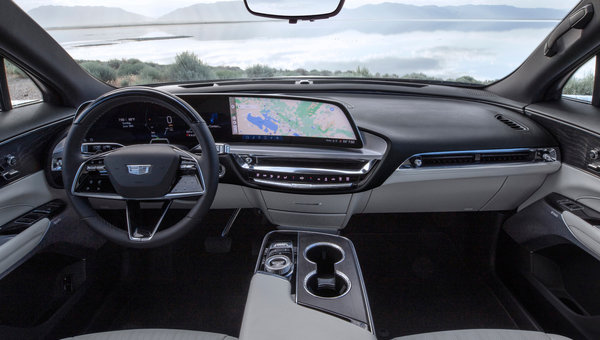
The 2026 OPTIQ is Cadillac's entry point into compact luxury electric crossovers, offering sophisticated technology at an accessible price. Starting at $60,825 for the Luxury RWD trim, the OPTIQ includes standard features like Super Cruise hands-free driver assistance, a 33-inch advanced LED display with Google built-in, and a premium AKG 19-speaker audio system.
The vehicle's powertrain options range from the efficient single-motor RWD configuration producing 315 horsepower and 332 lb-ft of torque, to the Dual Motor AWD setup delivering 440 horsepower and 498 lb-ft. The flagship OPTIQ-V pushes performance further with 519 horsepower and 650 lb-ft of torque, demonstrating that NACS integration works equally well across efficiency-focused and performance-oriented variants.
All OPTIQ trims benefit equally from the native NACS port, ensuring that charging convenience isn't limited to higher-priced configurations. This approach reflects Cadillac's focus on making electric vehicle ownership accessible and practical across its entire lineup.
Learn More at Mont-Royal Cadillac
The integration of native NACS charging in the 2026 OPTIQ is a major step forward in electric vehicle convenience and accessibility. By eliminating adapters and providing direct access to North America's most extensive fast-charging network, Cadillac has addressed one of the key concerns that has historically slowed EV adoption.
Combined with the OPTIQ's range, comprehensive home charging options, and luxury features, the result is an electric vehicle that fits naturally into modern lifestyles. For drivers in Quebec considering the transition to electric luxury, the OPTIQ offers a strong combination of technology, performance, and real-world practicality.
Visit our team at Mont-Royal Cadillac to learn more about how the 2026 OPTIQ's NACS integration and complete charging ecosystem can enhance your driving experience.